Sehatum journal
New discharge or itching? Make a short note before your visit
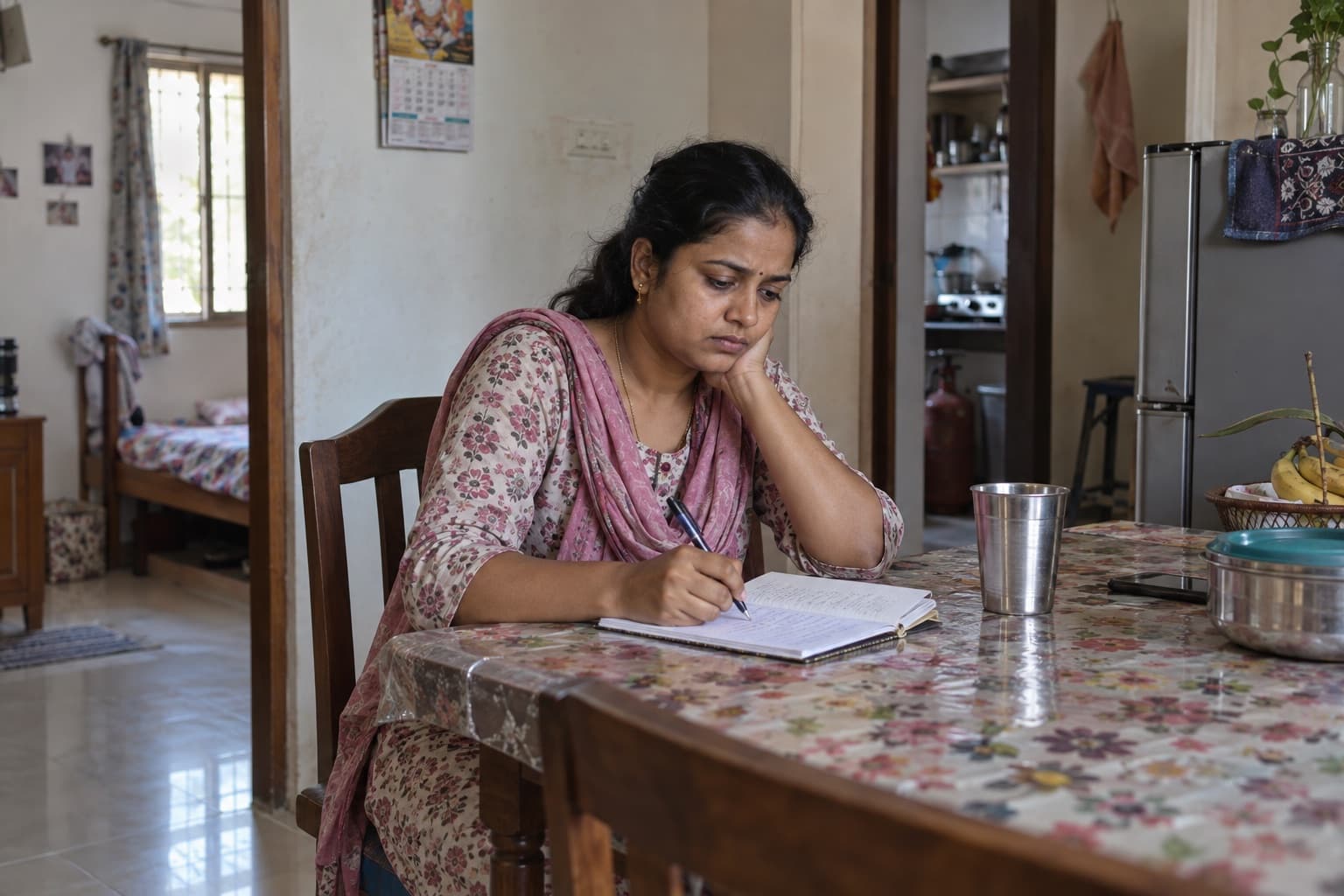
A change in discharge or itching can be awkward to describe, especially when you want an answer quickly. You do not need a perfect description or a guess at the infection. A few plain notes can help a clinician decide what to examine and whether a sample is useful.

Start with what is new for you
Write down when the change began and whether it is continuing, coming and going, or getting worse. Compared with your usual pattern, has the amount, smell or texture changed? Is there itching, soreness, burning when you pass urine, pain low in the abdomen, bleeding between periods or after sex, or any sores? The NHS advises getting help for these changes. Mention pregnancy or the possibility of it straight away, because advice and treatment choices may differ.
The amount of normal discharge can vary across the menstrual cycle, during pregnancy and with contraception. A colour or consistency alone cannot tell you which, if any, infection is present. The useful detail is the change from your own usual pattern and the other symptoms around it. You can write the note in your own language and read from it at the visit; there is no need to show a photograph of a private area.
Add the context a clinician may ask about
Note any new scented wash, vaginal product, medicine or self-treatment you have used, and when. If relevant, say whether there has been a new sexual partner or sex without a condom, and when your last period began. You can ask to speak privately. The CDC says the history matters, but history alone cannot reliably diagnose the cause of vaginal symptoms; examination and a suitable test may be needed.
Do not keep trying different over-the-counter treatments simply because a symptom sounds like thrush. Different conditions can overlap, and treatment without an assessment can miss the cause. The NHS advises avoiding douching and perfumed products; gently clean only the outside area. A clinician can explain which examination or sample, if any, would answer your specific question.
Know when the note should become a visit
Arrange medical advice for a new change in discharge, itching or soreness, painful urination, pelvic pain, bleeding between periods or after sex, or sores. If you are pregnant and the discharge smells unusual, changes colour, or comes with itching or pain when you pass urine, contact your maternity clinician. The NHS advises contacting a midwife or doctor immediately for bleeding during pregnancy. Severe pain, heavy bleeding or feeling very unwell calls for urgent local care rather than an online questionnaire.
Bring the short timeline, the products or medicines you have used, and your questions to the appointment. Ask what could explain the change and whether an examination or sample is needed. Our seven-question private guide can help you organise a non-emergency description; it cannot identify an infection, replace a sample or choose treatment.
Explore your next step
Organise what changed in the private guide →Sources: NHS — Vaginal discharge · CDC — Vulvovaginal symptoms: diagnostic considerations · NHS — Vaginal discharge in pregnancy