Sehatum journal
Coming home after a night shift? Protect the hours before sleep
The shift ends, but the day outside has begun. There may be a commute, breakfast to make or people already awake at home. If you cannot sleep after night work, blaming your ‘bad sleep habits’ misses a larger part of the problem: the hours between leaving work and getting a real chance to rest.
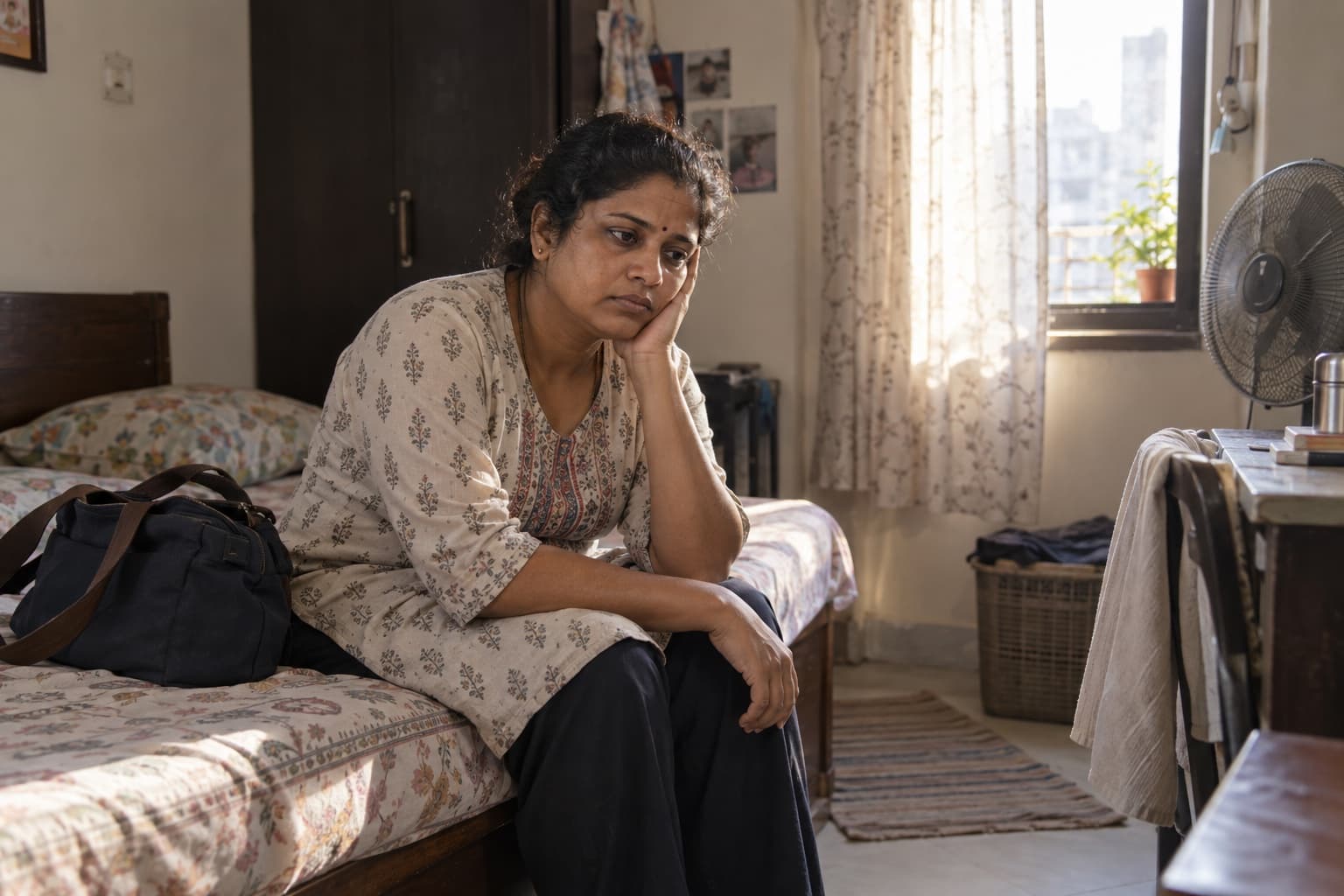
Give daytime sleep a place in the household schedule
Night work can disturb the body's sleep rhythm and leave less time for family and daily tasks, according to NIOSH. Note when each shift ends, when you actually reach bed, how often sleep is interrupted and when you have to get up. The gap between ‘off duty’ and ‘asleep’ may explain more than a bedtime rule copied from a day worker.
If you share a room or home, ask for one protected sleep period after your shift where possible. A dark, quiet, comfortable space can help; curtains, an eye mask, softer light and reducing phone interruptions are practical options. Not everyone can change a shift, buy equipment or make a crowded home silent. Start with the interruption you can change, and do not treat an impossible routine as a personal failure.
Plan the end of the shift, not only the start
Caffeine near the time you plan to sleep may make rest harder, even if it helped you stay alert at work. NIOSH advises reducing stimulants several hours before sleep and allowing enough off-duty time to recover. If your schedule changes often, record the actual shift pattern rather than assuming every night is the same. Bring that pattern to a clinician if sleep remains difficult.
The journey home matters too. Fatigue can slow reactions and make driving unsafe. If you are struggling to stay awake at the wheel, stop somewhere safe rather than trying to push through; arrange another way home if you can. Sleep loss is a safety issue, not proof that you are weak at your job.
When the problem needs more than another tip
Speak with a qualified clinician if changes you can make have not helped, sleep difficulty has continued for months, or it is making ordinary life hard to manage. The NHS lists these as reasons to seek assessment for insomnia. Tell the clinician about night shifts, days off, daytime sleep and any snoring or breathing pauses someone has noticed; the schedule may not be the only factor.
Our sleep guide can help you organise when you try to sleep, what interrupts you and how you feel during the day before a non-urgent conversation. It cannot diagnose a sleep disorder or make an unsafe journey safe. If sleepiness puts you or others at immediate risk, deal with that risk first.
Explore your next step
Explore the sleep guide →Sources: NIOSH — Sleep and work · NIOSH — Fatigue and work · NIOSH — Driver fatigue on the job · NHS — Insomnia