Sehatum journal
Tired despite enough time in bed: what should you record?
You went to bed early, yet you wake feeling drained and the workday feels heavy. Time in bed and restorative sleep are not the same thing, and tiredness can have many causes. A short record of the pattern helps a clinician ask the right questions without you having to guess a diagnosis.
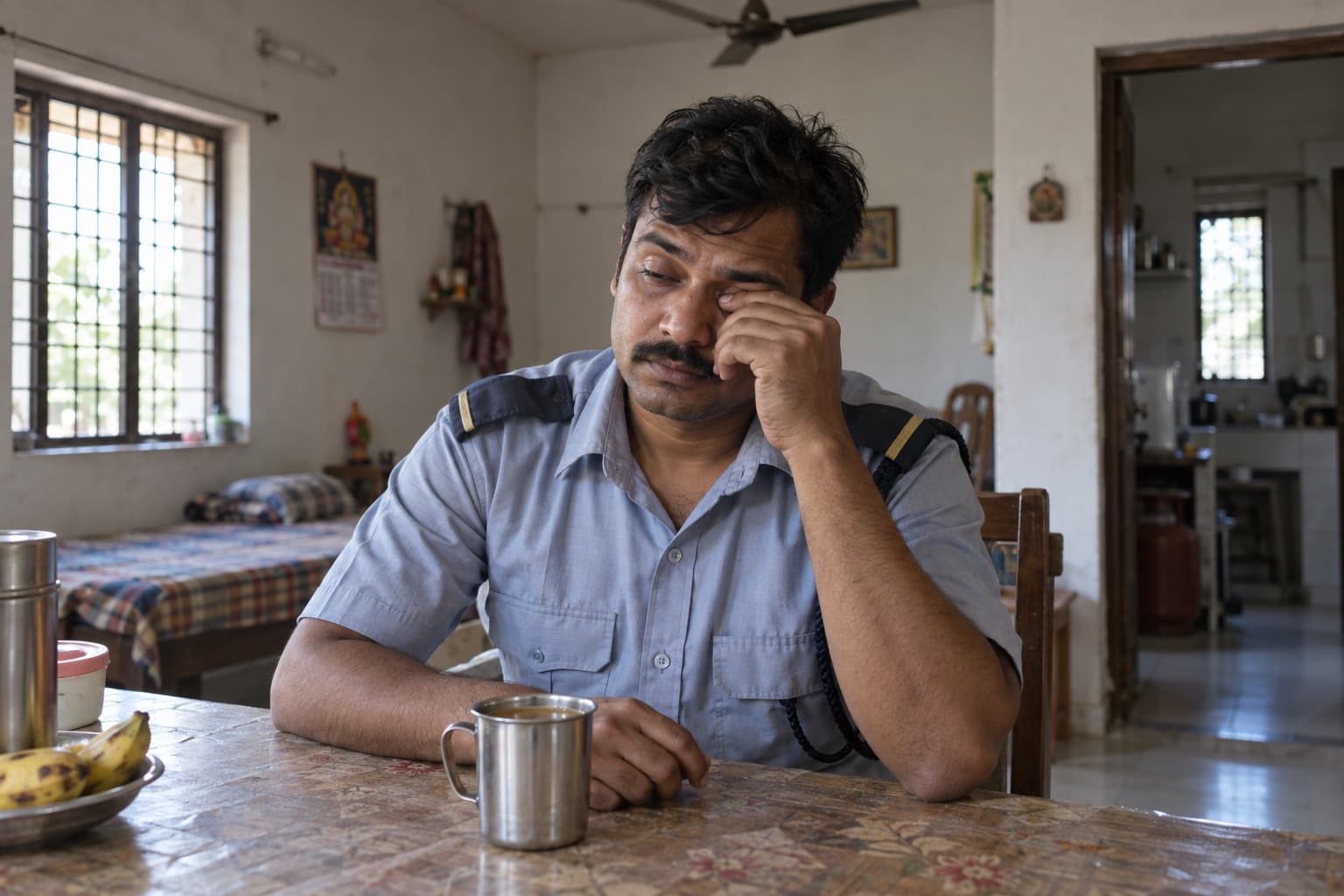
Separate time in bed from how you feel
For several days, note when you went to bed and got up, whether you woke during the night, and whether you felt rested on waking. Record when energy dips during the day and whether you are physically worn out, mentally drained, or actually dozing off. The NHS describes excessive daytime sleepiness as repeatedly falling asleep during the day, which is different from a general lack of energy.
If a family member has noticed loud snoring, gasping or pauses in breathing during sleep, write that down too. The NHS lists these alongside daytime tiredness as possible signs of sleep apnoea. They do not prove you have it, but they are worth telling a clinician. If sleepiness makes driving or operating machinery unsafe, do not continue that activity while seeking medical advice.
Look for changes beyond sleep
Note when the tiredness began and whether it followed an illness, a new work schedule, caregiving demands or a medicine change. Add changes in appetite, weight, mood, pain, breathlessness, thirst or needing to urinate more often. Take a list of prescribed and over-the-counter medicines. MedlinePlus notes that fatigue can relate to health conditions, medicines, sleep, stress and daily habits; a diary can reveal when it is worst and what activities you can still manage.
Do not use a symptom list to choose your own blood tests or supplements. A clinician can consider the whole picture and, if needed, decide whether tests for conditions such as anaemia, diabetes or thyroid problems are appropriate. The same tired feeling can have different explanations.
Know when to arrange an assessment
The NHS advises seeing a clinician if tiredness has lasted a few weeks without a clear reason, affects daily life, or comes with other changes such as weight loss or mood changes. You can ask sooner if it is severe or worrying. Say what you can no longer do at work or home, rather than only rating the tiredness.
Our eight-question tiredness guide can help you organise sleep, activity, mood and other changes before that conversation. It cannot identify the cause or replace an examination. If you develop sudden chest pain that does not go away or severe difficulty breathing, seek emergency medical help instead of completing a guide.
Explore your next step
Explore the tiredness guide →Sources: NHS — Tiredness and fatigue · MedlinePlus — Fatigue · NHS — Sleep apnoea · NHS — Excessive daytime sleepiness · NHS — Chest pain · NHS — Shortness of breath