Sehatum journal
Back pain: when to keep moving and when to get help
Back pain is common and often improves within a few weeks. The useful question is not just how much it hurts, but what else is happening and whether it is improving.
What often helps at home
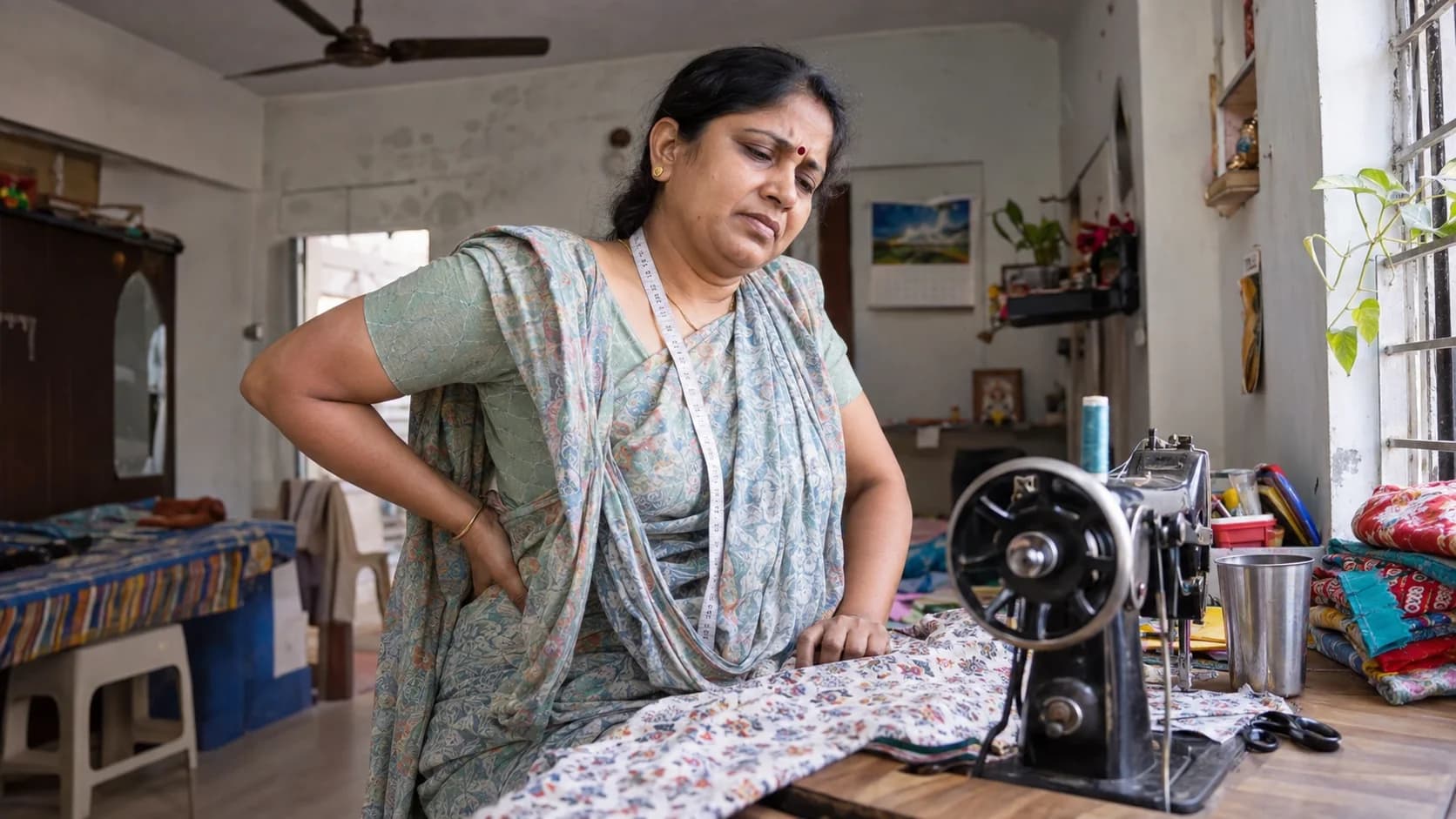
For ordinary back pain, the NHS recommends staying as active as you can and continuing daily activities where possible. Long periods in bed can make recovery harder. Gentle movement, changing position and heat or ice wrapped in a towel may help some people feel more comfortable.
- Keep moving within what feels manageable.
- Change position regularly instead of staying in one posture for hours.
- Stop an activity that makes pain clearly worse and ask for advice if you are unsure.
When to speak with a clinician
Get medical advice if pain has not improved after a few weeks of home care, stops you doing normal activities, is getting worse, or comes with unexplained weight loss or feeling unwell. A clinician can check whether a different cause or treatment needs attention.
Signs that should not wait
Seek urgent medical help for back pain with new weakness or numbness in both legs, loss of feeling around the genitals or anus, or a new change in bladder or bowel control. Pain after a serious accident or with chest pain also needs immediate assessment. Do not work through an online guide first if these signs are present.
Use a guide to organise the story
A short guide can help you note where the pain is, how long it has lasted and what changes it. It cannot examine your back or diagnose the cause. Bring those details to a clinician if you seek care.
Explore your next step
Explore the back-pain guide →Medical source: NHS — Back pain