Sehatum journal
Which blood test should you ask about after a diabetes risk check?
A risk questionnaire does not measure blood sugar. If your answers raise a concern, the useful next step is to ask a clinician whether a blood test is appropriate and which one fits your situation. The names on a laboratory form can look similar, but they measure different things.
Three common tests answer different questions
Fasting plasma glucose measures blood sugar after an overnight fast. HbA1c reflects average blood sugar over roughly the previous two to three months. An oral glucose tolerance test measures blood sugar before and after you drink a glucose solution, showing how your body handles it over the test period. The World Health Organization lists all three among tests used to diagnose diabetes.
A clinician may also use a blood sugar sample taken at another time when symptoms or circumstances call for it. The test choice depends on the clinical context, resources and what is suitable for the person. Do not choose one solely because it seems quickest or because a relative had that test.
Know what the visit involves
For a fasting test, ask the clinic exactly how long to avoid food and whether to continue your usual medicines; do not stop a prescription on your own. The CDC describes the oral glucose tolerance test as requiring an overnight fast, a first blood sample, a glucose drink and later samples, so allow time at the facility. HbA1c does not need the same overnight fasting preparation, but your clinician should still know about relevant health conditions and previous results.
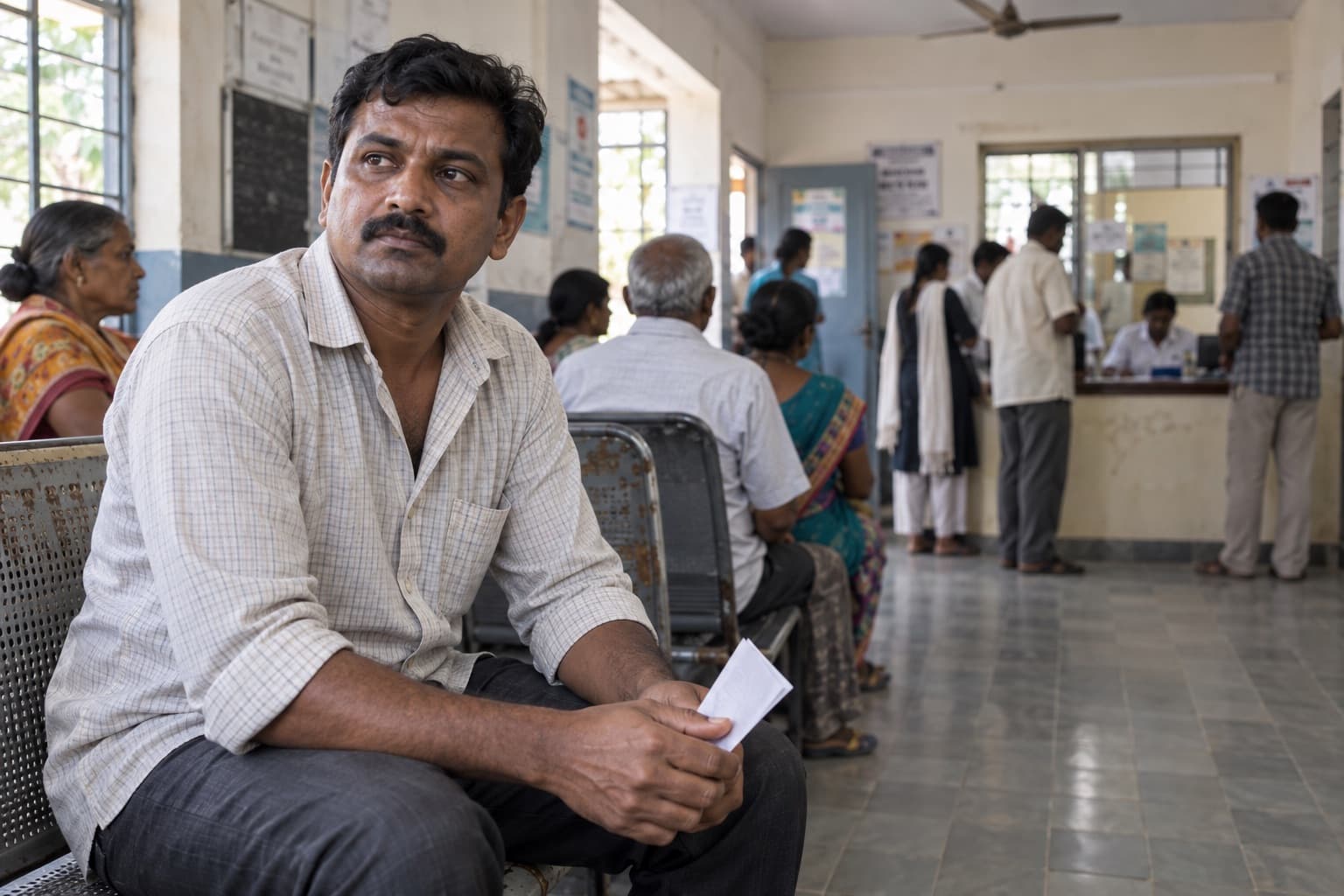
Bring any earlier laboratory reports, a list of medicines, and a short note of symptoms or family history. If you had a finger-prick or community-camp result, tell the clinician where and when it was taken. The CDC advises following up screening results from a health fair or pharmacy with a doctor, who may want to repeat a test to confirm accuracy.
Ask what the result means for you
Useful questions are: ‘Why is this test right for me?’, ‘Do I need to fast?’, ‘If the result is above or below the expected range, what happens next?’, and ‘When should I repeat testing?’ A single number should be interpreted with the test method and your health history. A clinician can explain whether another sample or a different test is needed.
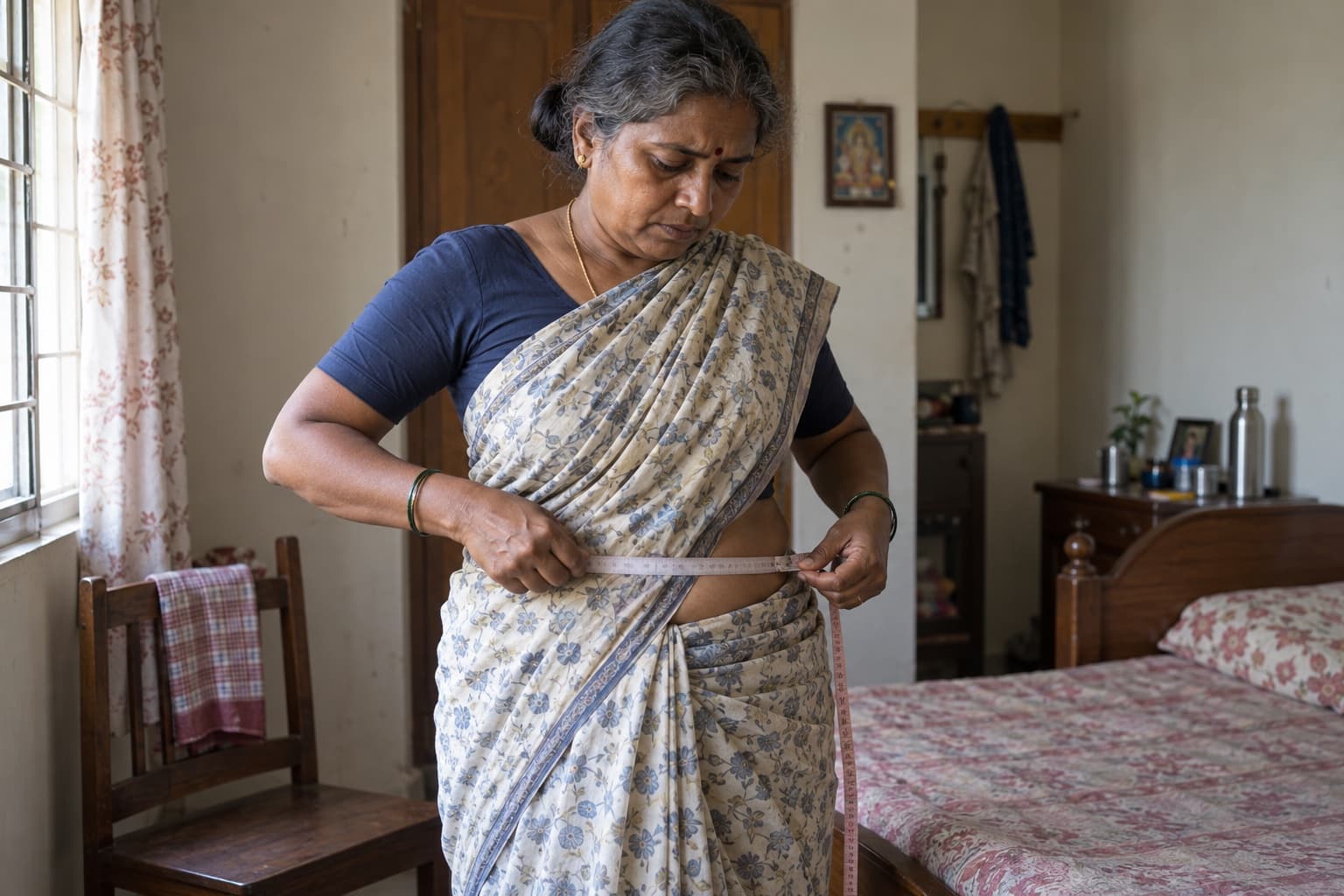
Our short diabetes risk check can help you gather age, waist measurement, activity and parental history before that discussion. It cannot tell you which blood test to take, diagnose diabetes, or replace the laboratory result. If you have new or worsening symptoms such as unusual thirst, frequent urination or unexplained weight loss, speak to a clinician even if a questionnaire score seems reassuring.
Explore your next step
Explore the diabetes risk check →Sources: WHO — Diabetes: questions and answers · CDC — Diabetes testing · CDC — A1C test for diabetes and prediabetes