Sehatum journal
Thirst and frequent urination: should you check your blood sugar?
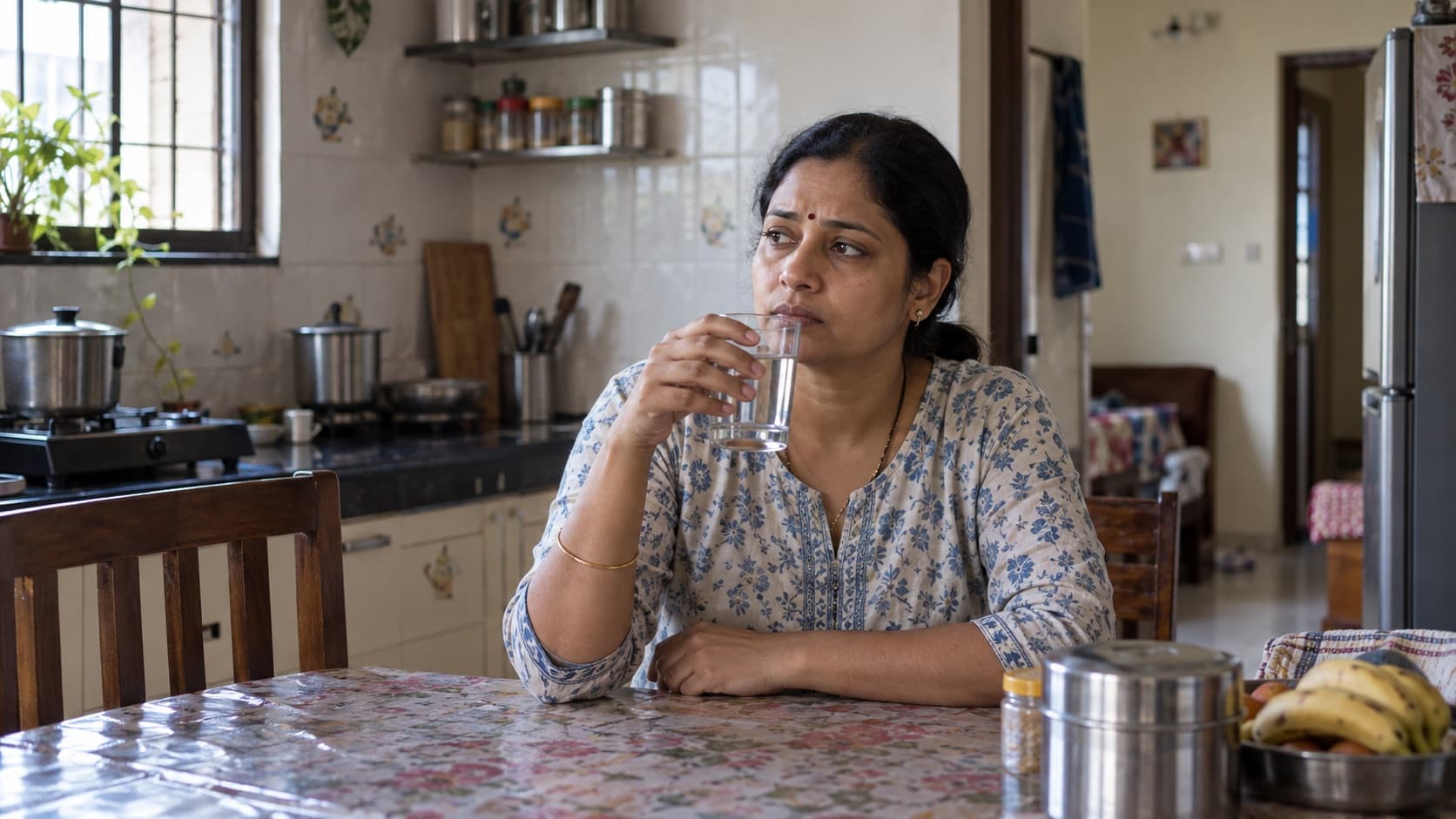
Feeling unusually thirsty and needing to urinate more often can be a reason to ask about a blood sugar test. These symptoms do not prove that you have diabetes, but they are worth taking seriously when they are new or persistent.
Notice the change, not just one symptom
The World Health Organization lists thirst and frequent urination among common symptoms of diabetes. Unusual tiredness, blurred vision and weight loss without trying may occur too. Type 2 diabetes can also cause only mild symptoms, or none that you notice for years.
Think about what has changed for you: when the thirst began, how often you need to urinate, whether it wakes you at night, and whether you have noticed tiredness, blurred vision or weight change. These details can make a conversation with a clinician more useful. They cannot identify the cause on their own.
When to speak with a clinician
Arrange a medical assessment if thirst or frequent urination is new, keeps happening or comes with the other symptoms above. Do not wait for an online score before seeking care. A clinician can decide which blood test is appropriate and consider other possible explanations for your symptoms.
If symptoms develop quickly and you also feel very unwell, vomit or breathe rapidly, seek urgent medical help. The WHO notes that these can occur with very high blood glucose, particularly in type 1 diabetes.
What actually checks for diabetes
A questionnaire cannot measure blood sugar. According to the WHO, diabetes is diagnosed using blood glucose measurements. Tests a clinician may consider include fasting plasma glucose, an oral glucose tolerance test, HbA1c or, in some situations, a random blood glucose test. The right test depends on your circumstances; a professional should interpret the result.
If a test is recommended, ask what preparation is needed and when you will receive the result. Tell the clinician about symptoms and any family history rather than relying on a risk score alone.
Where a risk check fits
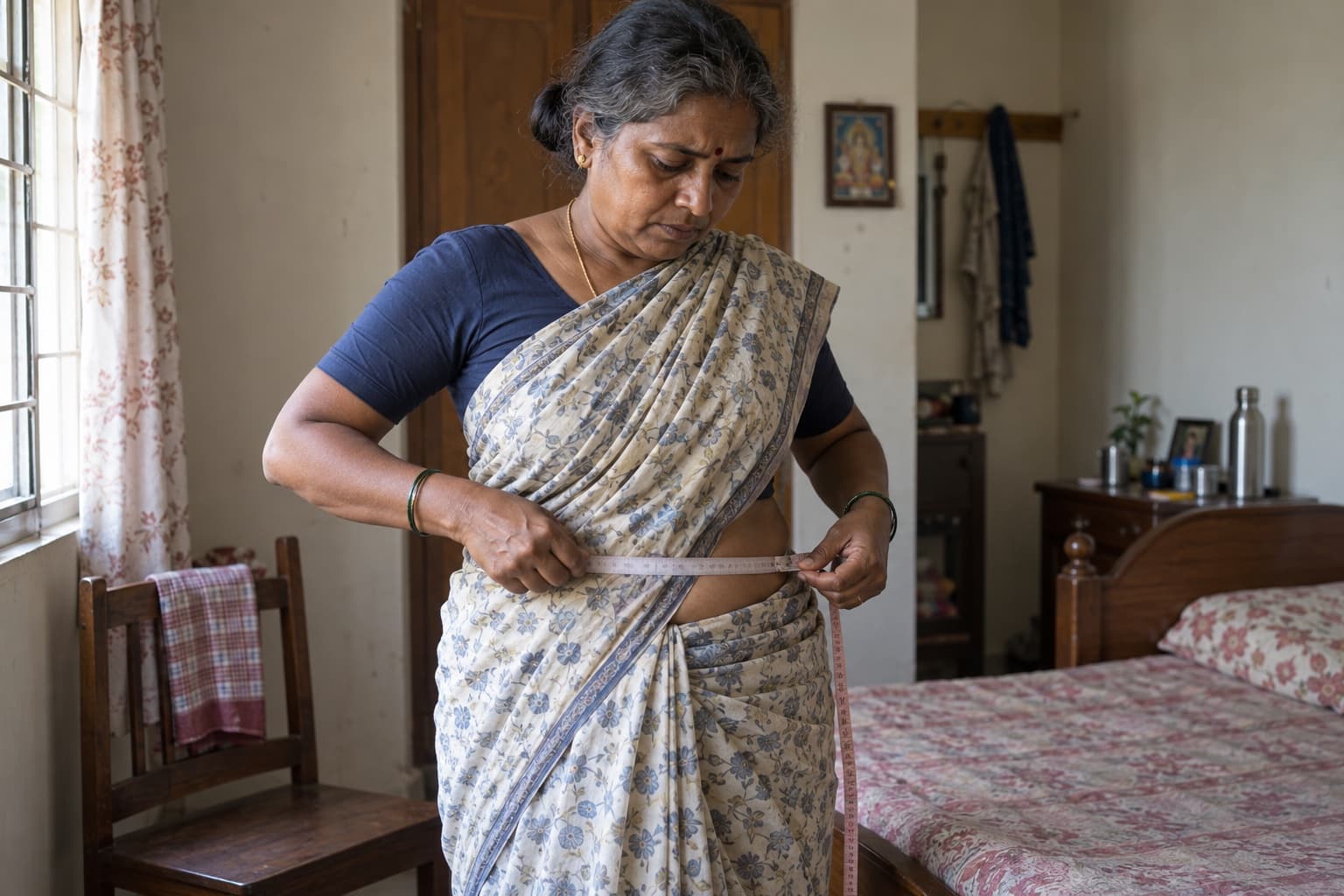
A diabetes risk check looks at factors such as age, waist measurement, physical activity and family history. It may help you organise those details before an appointment. A lower score cannot rule out diabetes, and a higher score cannot confirm it. If you already have symptoms, the next useful step is a conversation about an appropriate blood test.
Explore your next step
Explore the diabetes risk check →Medical source: World Health Organization — Diabetes